
Minimalist wall art is becoming one of the biggest interior design movements of 2026. Modern homes are moving toward clean spaces, calming colors, and intentional decor choices that create comfort without feeling overcrowded. Instead of filling walls with excessive decorations, homeowners are choosing simple artwork that adds elegance and personality in a subtle way.
This year, minimalist wall decor is evolving into something warmer, softer, and more expressive. Designers are combining natural textures, earthy tones, and oversized statement pieces to create interiors that feel peaceful and sophisticated at the same time.
The Rise of Soft Neutral Tones
One of the most noticeable trends in 2026 is the use of warm neutral colors. Shades like beige, cream, ivory, sand, and soft gray are replacing harsh contrasts and overly bright palettes. These tones help create a relaxing atmosphere while allowing furniture and lighting to blend naturally with the artwork.
Neutral artwork works especially well in modern apartments, Scandinavian inspired interiors, and Japandi style homes because it creates harmony throughout the space. Abstract paintings with subtle textures and soft curves are becoming a favorite choice for living rooms and bedrooms.
Textured Artwork Is Becoming More Popular
Flat prints are slowly being replaced by textured pieces that add depth and dimension. In 2026, many homeowners are choosing plaster inspired canvas art, layered fabrics, and handmade textured paintings to create a more luxurious appearance.
These pieces bring warmth into minimalist interiors without making the room feel busy. Textured artwork also reflects natural light beautifully, making spaces feel softer and more inviting.
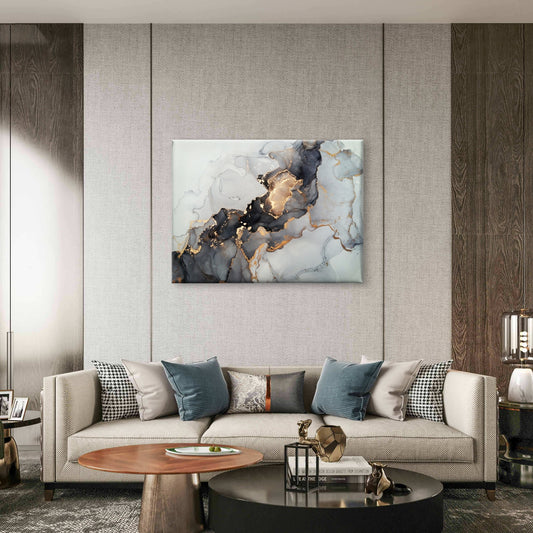
Large textured canvases are especially popular above sofas, beds, and dining areas because they create a statement while still maintaining a clean aesthetic.
Oversized Art Is Replacing Gallery Walls
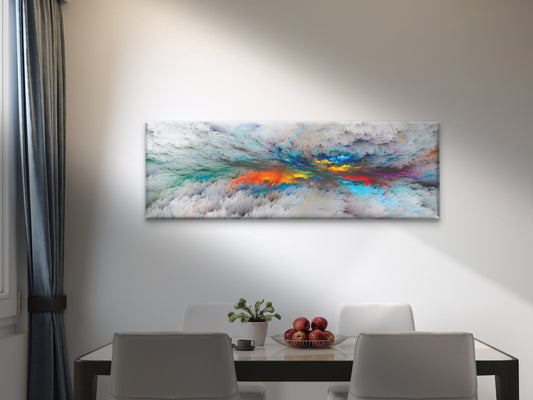
For years, gallery walls dominated interior trends, but in 2026 oversized minimalist artwork is taking over. Instead of hanging multiple smaller frames, homeowners are choosing one large statement piece that instantly becomes the focal point of the room.
This approach creates a more open and uncluttered feeling. Large abstract paintings, monochrome photography, and simple line art designs are among the most popular choices for modern interiors.
Oversized wall art works particularly well in homes with open layouts and high ceilings because it adds visual impact without overwhelming the space.
Organic Shapes and Natural Inspiration
Minimalist art is becoming less rigid and more inspired by nature. Curved lines, flowing shapes, and earthy influences are replacing sharp geometric patterns. This shift reflects a growing desire for interiors that feel calm and connected to the natural world.
Artwork inspired by landscapes, stone textures, desert tones, and botanical elements is becoming increasingly common in contemporary homes. These designs create a soothing atmosphere and pair beautifully with wooden furniture and natural fabrics.
The combination of simplicity and organic design helps spaces feel modern while still remaining warm and welcoming.
Black and White Designs Remain Timeless
Although warm neutrals are dominating trends, black and white artwork continues to hold a strong place in minimalist decor. Monochrome designs offer a timeless elegance that works in almost every room.
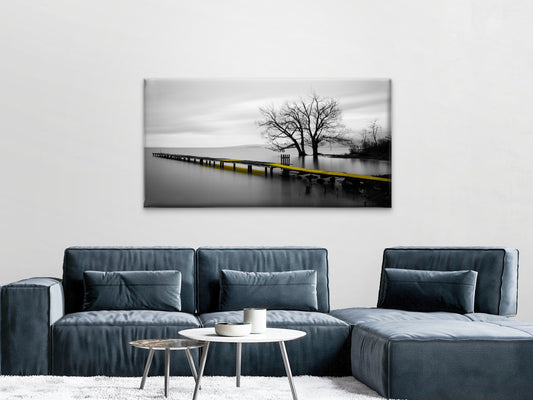
Simple line drawings, abstract ink art, and black and white photography remain popular because they create contrast without adding unnecessary complexity. Many homeowners use black and white artwork to add sophistication to home offices, hallways, and modern bedrooms.
The beauty of monochrome art lies in its versatility. It can complement both soft neutral interiors and bold modern spaces.
Sustainable Decor Is Influencing Design Choices
Sustainability is becoming an important part of home design in 2026. More people are looking for handmade artwork, recycled materials, and eco conscious decor that reflects intentional living.
Minimalism naturally aligns with this mindset because it focuses on quality over excess. Instead of buying mass produced decorations, homeowners are investing in meaningful pieces that last longer and have a more personal connection.
Handcrafted wall art made from natural materials such as linen, wood, clay, and recycled fabrics is becoming increasingly desirable among modern homeowners.
Personalized Minimalist Art Is Growing
Personalized artwork is another trend gaining attention in 2026. People want their homes to feel unique and emotionally meaningful while still maintaining a clean and modern appearance.
Custom line art portraits, subtle quote prints, and location inspired artwork are becoming popular choices for couples and families. These pieces add personality without disrupting the calm and balanced atmosphere that minimalist interiors are known for.
The goal is no longer just decoration. Homeowners want artwork that tells a story and reflects their lifestyle.
Styling Minimalist Wall Art the Right Way
Minimalist decor relies heavily on balance and placement. Even the most beautiful artwork can feel out of place if it is not positioned correctly.
In living rooms, oversized artwork above the sofa creates a strong focal point while keeping the space uncluttered. Bedrooms benefit from soft abstract pieces with calming tones that promote relaxation. In offices, simple monochrome art can create a focused and productive environment.
Spacing is equally important. Minimalist interiors look best when walls have room to breathe, allowing each piece of art to stand out naturally.
Final Thoughts
Minimalist wall art trends in 2026 are moving toward warmth, texture, and intentional simplicity. Modern interiors are no longer about empty spaces alone. They are about creating environments that feel calm, personal, and visually balanced.
From oversized abstract canvases to organic textures and sustainable handmade designs, minimalist wall decor continues to evolve in ways that feel both timeless and contemporary.
As homeowners focus more on comfort and mindful living, minimalist artwork remains one of the most effective ways to transform a space without overwhelming it.