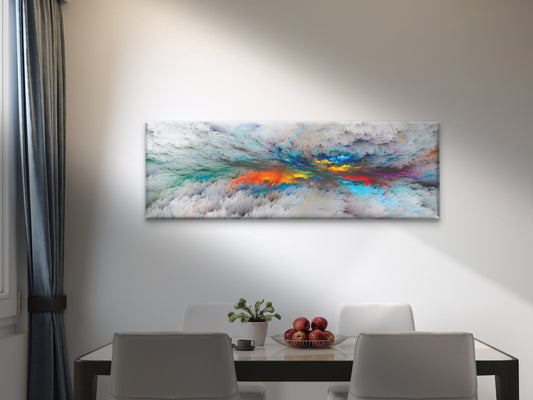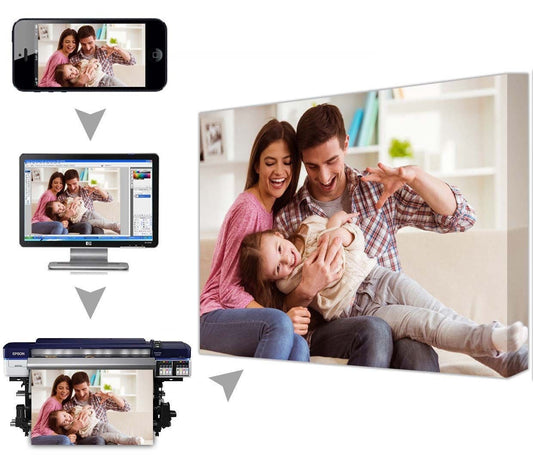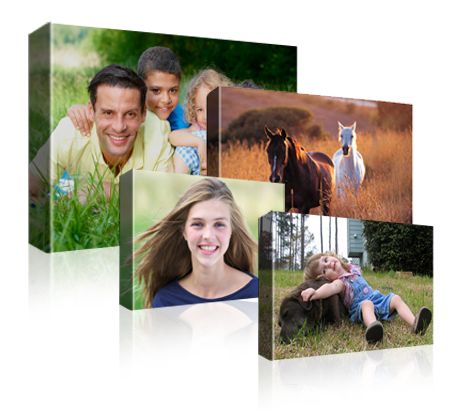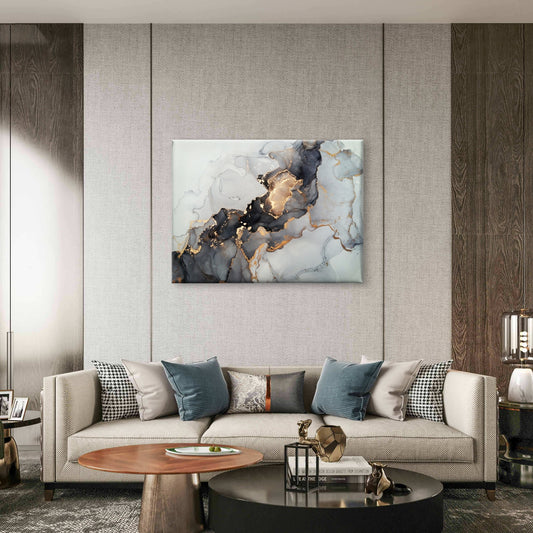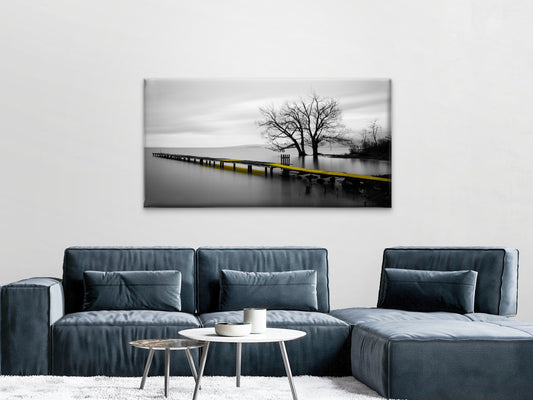

Decorating your walls is about more than filling empty space. It’s about creating atmosphere, showcasing personality, and making a design statement. In 2026, one of the hottest trends for Australian homes is mixing textures and materials in wall art. This approach adds depth, dimension, and tactile appeal, making interiors feel dynamic, layered, and luxurious. From natural wood to metal, fabric, acrylic, and mixed media, the options are endless. Here’s everything Aussie homeowners need to know to master this trend.
Why Textured and Mixed-Material Wall Art is Trending
-
Visual depth: Different textures and finishes create contrast and make walls more visually interesting.
-
Sensory appeal: Tactile art engages the senses in a way flat prints can’t.
-
Statement-making: Mixed materials can turn a blank wall into a gallery-like focal point.
-
Personal expression: Combining styles, textures, and materials allows for unique, one-of-a-kind compositions.
With more Australians investing in high-quality, long-lasting décor, layered wall art has become a go-to trend for modern homes.
Popular Materials in 2026
Here’s a breakdown of materials that are dominating Australian interiors:
1. Wood and Timber Panels
-
Why it works: Adds warmth, texture, and natural appeal.
-
Styles: Reclaimed wood, laser-cut patterns, or layered wood panels.
-
Best for: Coastal, rustic, Scandinavian, and eco-conscious interiors.
2. Metal Art
-
Why it works: Offers a contemporary or industrial touch.
-
Styles: Matte black, brushed copper, or geometric shapes.
-
Best for: Open-plan living areas, loft-style homes, and minimalist interiors.
3. Fabric and Textile Art
-
Why it works: Adds softness, colour, and tactile appeal.
-
Styles: Woven tapestries, macramé wall hangings, felt panels, or embroidered canvases.
-
Best for: Bedrooms, home offices, or cozy corners.
4. Acrylic and Glass Prints
-
Why it works: Creates a modern, glossy, and reflective surface that enhances colour vibrancy.
-
Styles: Transparent panels, layered acrylic cutouts, or glass-mounted photography.
-
Best for: Kitchens, hallways, or feature walls with bold designs.
5. Mixed-Media Art
-
Why it works: Combines different materials, including paper, metal, wood, fabric, and paint, for a truly unique, textured masterpiece.
-
Best for: Artistic gallery walls, statement pieces, and contemporary interiors.
Tips for Mixing Textures and Materials Successfully
-
Balance heavy and light textures: Pair wood and metal with softer textiles or paper art.
-
Layering adds interest: Create depth by overlapping frames, panels, or sculptures.
-
Colour coordination is key: Harmonise textures with your room’s palette for a cohesive look.
-
Scale matters: Large, textured pieces make a statement, while smaller pieces accentuate without overwhelming.
-
Consistency in theme: Even with mixed materials, maintain a style thread, such as coastal, modern, or bohemian.
-
Think about lighting: Highlight textured walls with directional lights or picture lights to enhance shadows and details.
Mixing Photography and Illustration
2026 interiors aren’t just mixing materials. They’re blending styles too.
-
Photography + Textured Prints: A sleek photographic print layered with a wooden frame or metal sculpture creates contrast.
-
Illustration + Fabric or Wood: Line art or abstract illustrations mounted on wood or textile panels add creativity and warmth.
-
Gallery Walls: Combine photos, illustrations, and textured art for a curated look that tells a story.
Why Aussie Homes are Embracing This Trend
-
Love for natural materials: Australians often seek organic, sustainable elements in home design.
-
Eco-conscious choices: Reclaimed wood, bamboo, and recycled metals are popular.
-
Open-plan living: Large spaces benefit from layered textures that add depth and focus.
-
Personalised style: Mixed-material art allows homeowners to express individuality without overwhelming a room.
2026 Wall Art Trends to Watch
-
Botanical and nature-inspired textures including leaves, woven grass, timber panels, and floral tapestries.
-
Minimalist 3D art such as geometric shapes, raised panels, and metal wall sculptures.
-
Custom and personalised art featuring layered materials with family names, maps, or abstract designs.
-
Sustainable materials like cork, bamboo, and reclaimed wood.
-
Contrast-heavy gallery walls combining soft textiles with glossy acrylic or metal frames.
How to Incorporate Mixed-Material Wall Art in Your Home
-
Living Room: Large statement panels or a gallery wall combining wood, metal, and framed photography.
-
Bedroom: Textile hangings or layered canvas for warmth and softness.
-
Kitchen/Dining: Acrylic or metal prints with bold, modern designs.
-
Home Office: Illustrations on wood or acrylic for a creative and motivating space.
Conclusion
Mixing textures and materials in wall art is more than a passing trend. It’s a design philosophy for 2026. It allows Australian homeowners to create spaces that are layered, engaging, and uniquely personal. By thoughtfully combining wood, metal, fabric, acrylic, photography, and illustrations, you can transform any wall into a focal point full of character and style.
Whether you’re redecorating a single room or creating a gallery wall, layered wall art is a surefire way to elevate your interiors.
For those looking for bespoke, high-quality options, Bella Home Co offers a range of mixed-material wall art solutions designed to match your home’s personality, style, and space.