
Choosing the right wall art can completely transform the look and feel of your home. Whether you are decorating a new space or refreshing an existing room, one of the biggest decisions is choosing between modern wall art and traditional wall art. Both styles offer unique characteristics, visual appeal, and ways to express your personality. Understanding the differences can help you create a home that feels cohesive, inviting, and truly your own.
In this guide, we will explore the features of modern and traditional wall art, their benefits, and how to determine which style best suits your interior design preferences.
What Is Modern Wall Art?
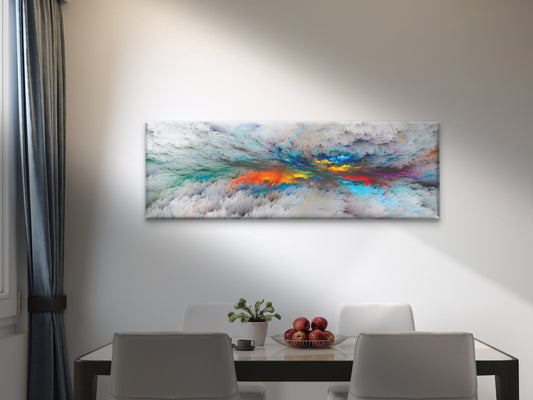
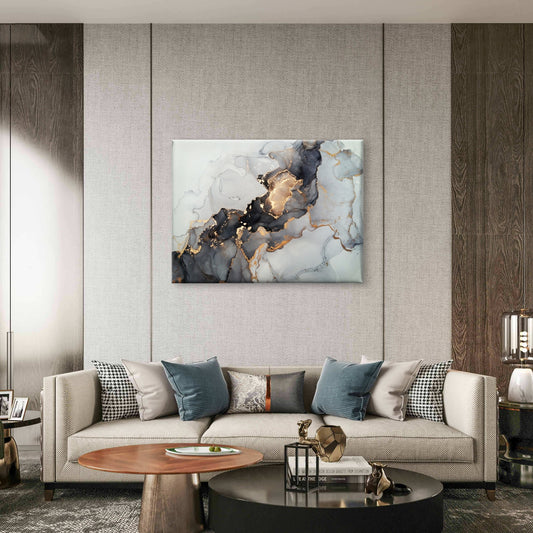
Modern wall art is known for its clean lines, simplicity, and contemporary appeal. It often incorporates abstract designs, geometric patterns, bold color combinations, and minimalist elements. Modern artwork focuses on creativity, innovation, and visual impact rather than detailed storytelling.
Popular types of modern wall art include:
- Abstract canvas prints
- Minimalist line art
- Geometric wall decor
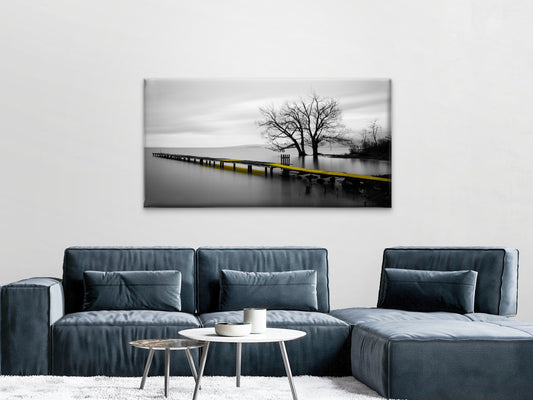
- Contemporary photography
- Large statement pieces
- Digital art prints
Modern wall art is particularly popular in homes that feature contemporary, minimalist, industrial, or Scandinavian interior design styles.
What Is Traditional Wall Art?
Traditional wall art is inspired by classic artistic techniques and timeless aesthetics. It often features realistic subjects, detailed craftsmanship, and elegant compositions. Traditional artwork tends to emphasize beauty, history, culture, and storytelling.
Common examples of traditional wall art include:
- Landscape paintings
- Floral artwork
- Portrait paintings
- Vintage art prints
- Religious artwork
- Historical scenes
Traditional wall art works beautifully in homes with classic, rustic, farmhouse, Victorian, or transitional interior styles.
Key Differences Between Modern and Traditional Wall Art
Design Style
Modern wall art embraces simplicity and experimentation. Artists often use unconventional forms, abstract concepts, and striking visual elements.
Traditional wall art focuses on realism, symmetry, and detailed artistic techniques. The subjects are usually recognizable and easy to interpret.
Color Palette
Modern artwork frequently uses bold colors, monochromatic schemes, or dramatic contrasts to create visual interest.
Traditional artwork often features softer tones, natural colors, and harmonious palettes that create a warm and welcoming atmosphere.
Framing and Presentation
Modern wall art is commonly displayed with sleek frames, floating frames, or no frame at all for a clean appearance.
Traditional wall art is usually paired with decorative frames that enhance its elegance and classic appeal.
Emotional Impact
Modern art encourages personal interpretation and often sparks conversation.
Traditional art creates a sense of familiarity, comfort, and timeless beauty.
Benefits of Modern Wall Art
Modern wall art has become increasingly popular among homeowners seeking a fresh and stylish look.
Creates a Contemporary Atmosphere
Modern artwork instantly adds sophistication and a current design aesthetic to any room.
Works Well in Smaller Spaces
Minimalist designs help rooms feel open and uncluttered, making modern wall decor ideal for apartments and compact homes.
Makes a Strong Visual Statement
Large abstract wall art pieces can become focal points that elevate the overall design of a room.
Easy to Mix with Different Decor Styles
Modern art can complement various interior themes, from industrial lofts to Scandinavian inspired homes.
Benefits of Traditional Wall Art
Traditional wall art remains a favorite because of its enduring appeal and versatility.
Offers Timeless Elegance
Classic artwork rarely goes out of style and can remain relevant for decades.
Adds Warmth and Character
Traditional pieces often create a welcoming environment filled with personality and charm.
Complements Classic Interiors
Homes with antique furniture, decorative moldings, and rich textures benefit greatly from traditional artwork.
Tells a Story
Many traditional art pieces depict meaningful scenes, historical events, or cultural themes that add depth to a space.
How to Choose the Right Style for Your Home
Consider Your Interior Design
Look at your furniture, color palette, and architectural features.
If your home features clean lines, neutral colors, and modern furnishings, modern wall art may be the ideal choice.
If your home includes classic furniture, warm wood tones, and elegant details, traditional wall art may create better harmony.
Think About the Mood You Want to Create
Modern artwork often creates an energetic, creative, and sophisticated atmosphere.
Traditional artwork tends to evoke comfort, warmth, and a sense of history.
Evaluate Your Personal Taste
Your wall art should reflect your personality. If you enjoy bold designs and contemporary trends, modern art may resonate with you. If you appreciate timeless beauty and classic craftsmanship, traditional art may feel more authentic.
Consider Mixing Both Styles
Many homeowners successfully combine modern and traditional wall art to create a unique and balanced interior. This approach, often called transitional design, blends contemporary elements with classic aesthetics for a sophisticated and personalized look.
Best Rooms for Modern Wall Art
Modern wall art works exceptionally well in:
- Living rooms
- Home offices
- Bedrooms
- Apartments
- Contemporary kitchens
- Creative workspaces
Large canvas prints, abstract art, and minimalist designs can enhance these spaces while maintaining a clean and stylish appearance.
Best Rooms for Traditional Wall Art
Traditional wall art is often a perfect fit for:
- Formal dining rooms
- Traditional living rooms
- Libraries
- Hallways
- Guest bedrooms
- Historic homes
Landscape paintings, floral artwork, and classic portraits can add elegance and visual depth to these areas.
Modern and Traditional Wall Art Trends in 2026
Homeowners are increasingly embracing personalized decor. While modern wall art continues to dominate contemporary interiors, traditional wall art is experiencing renewed popularity through vintage inspired designs and handcrafted pieces.
Many interior designers now recommend combining both styles to create layered and visually interesting spaces. This approach allows homeowners to enjoy the best of both worlds while expressing their individuality.
Final Thoughts
When comparing modern vs traditional wall art, there is no universal right or wrong choice. The best style for your home depends on your interior design, personal preferences, and the atmosphere you want to create.
Modern wall art offers bold creativity, clean aesthetics, and contemporary appeal. Traditional wall art provides timeless elegance, warmth, and classic beauty. By understanding the strengths of each style, you can confidently choose artwork that enhances your living space and reflects your unique taste.
Whether you prefer modern canvas prints, traditional paintings, or a thoughtful combination of both, the right wall art can turn any house into a beautifully curated home.